Sebaceous Cyst
A sebaceous cyst is a non-cancerous, closed sac under the skin filled with a cheese-like or oily material. These cysts are typically harmless but can cause discomfort or cosmetic concerns if they become inflamed or infected. At Aaroku Care, we offer advanced treatment options for sebaceous cysts, including minimally invasive surgical procedures, to safely and effectively remove the cysts and prevent recurrence.

Modern Cosmetic Treatments That Make a Difference
India’s Leading Experts in Plastic & Cosmetic Surgery
Advanced Laser Surgery
Book Your
Free Consultation Now!

Free Consultation

No Cost EMI

Support in Insurance Claim

One Day Hospitalization

USFDA-Approved
Procedure

Personalised Care Coordinator
About
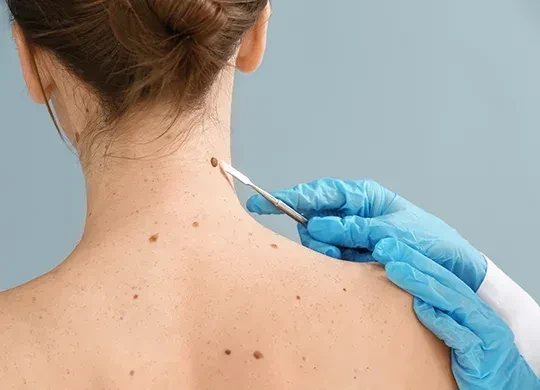
Sebaceous cysts, also known as epidermoid cysts, are common skin growths that develop when sebaceous glands or hair follicles become blocked. This blockage leads to the accumulation of keratin, forming a cyst. They are most commonly found on the face, neck, scalp, and back but can occur anywhere on the body. While generally painless, sebaceous cysts can become swollen, red, and tender if infected. In such cases, medical intervention is necessary to alleviate symptoms and prevent complications.
Treatment
At Aaroku Care, treatment for sebaceous cysts typically involves a minor surgical procedure performed under local anesthesia. The surgeon makes a small incision over the cyst and carefully removes the entire cyst and its wall to minimize the chance of recurrence. In cases of infected cysts, drainage may be performed, followed by surgical removal once the infection subsides. Post-operative care includes keeping the area clean, applying prescribed medications, and attending follow-up appointments to monitor healing. Most patients experience minimal scarring and a quick recovery, returning to normal activities within a few days.
