Book Appointments with Trusted Specialist Doctors Near You
Get effective relief from kidney stones, severe pain, and urinary discomfort with advanced treatment options. Safe, minimally invasive procedures with faster recovery, less pain, and long-lasting results.


About
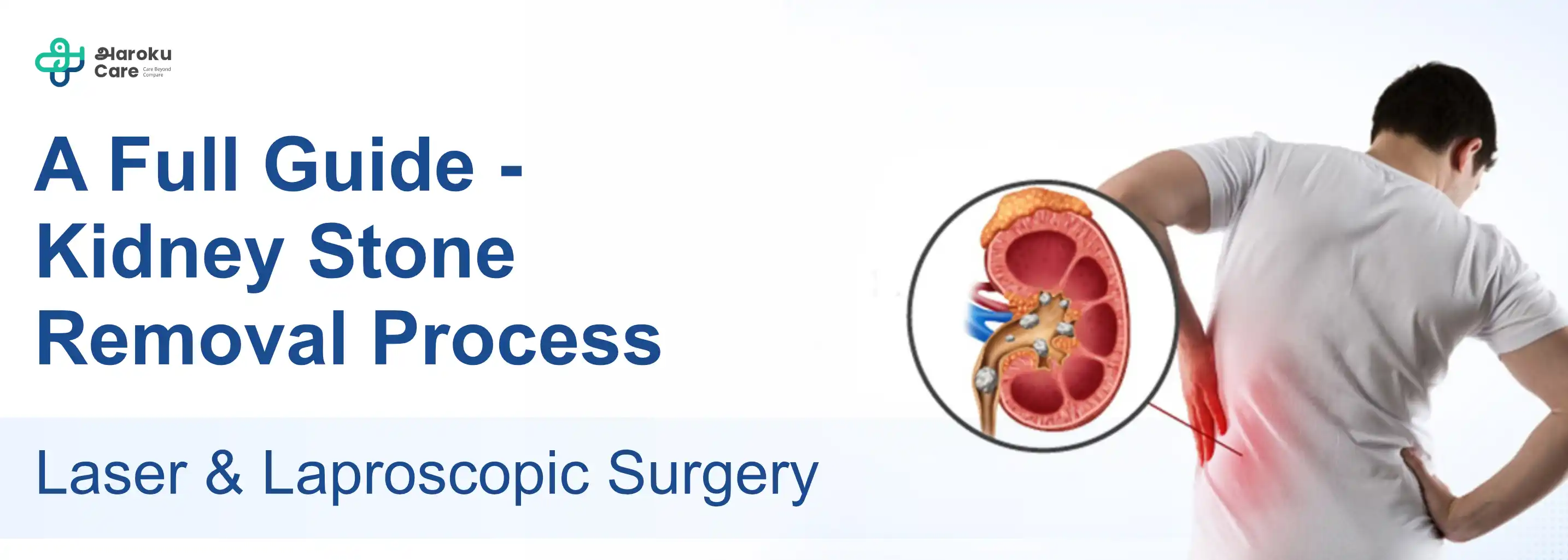
A kidney stone is a small, hard deposit that forms in the kidneys from minerals and salts in urine. This condition is called Nephrolithiasis. Stones develop when urine becomes concentrated, allowing minerals like calcium to stick together and form crystals. These crystals can grow into stones over time.
Small stones may pass on their own, but larger ones can get stuck in the urinary tract and cause severe pain, difficulty in urination, or blood in urine. Treatment focuses on removing or breaking the stone and preventing it from forming again.
Symptoms
Kidney stones often start silently but can become painful as they grow or move. Early signs should not be ignored, as they may indicate Kidney Stones.
Watch out for these symptoms:
Severe pain in the lower back or side
Pain spreading to the abdomen or groin
Burning while urinating
Blood in urine
Frequent urge to urinate
These symptoms may indicate a kidney stone that needs medical evaluation and treatment.
Diagnosis
Before planning laser treatment for Kidney Stones, a thorough evaluation is done to ensure safe and effective care.
Medical history review – The doctor will understand your symptoms, past history of kidney stones, and any family history.
Physical examination – A basic check-up is done to assess pain areas and rule out related conditions.
Imaging tests – Ultrasound or CT scan is used to identify the size, number, and exact location of the stones.
Urine test (Urinalysis) – Helps detect infection, blood, or crystal content in the urine.
Stone analysis – If a stone has been passed or removed earlier, it may be analyzed to understand its type and plan the right treatment.
These steps help doctors choose the most suitable and effective laser treatment approach.
EMI Consultation
Treatment Options
Treatment for Kidney Stones depends on the size, location, and severity of the stone. When medications are not effective, advanced minimally invasive procedures are recommended for safe and quick removal.
Preparation Before Laser Treatment
Before undergoing kidney stone surgery, proper preparation ensures better outcomes:
Consult a urologist to understand the procedure and clarify doubts
Complete basic medical evaluation and required tests
Inform your doctor about all medications and supplements
Follow fasting instructions before surgery (if advised)
Stay well-hydrated before the procedure
Arrange transport and support for the day of surgery
Follow all pre-surgery instructions given by your doctor
ESWL (Shock Wave Therapy)
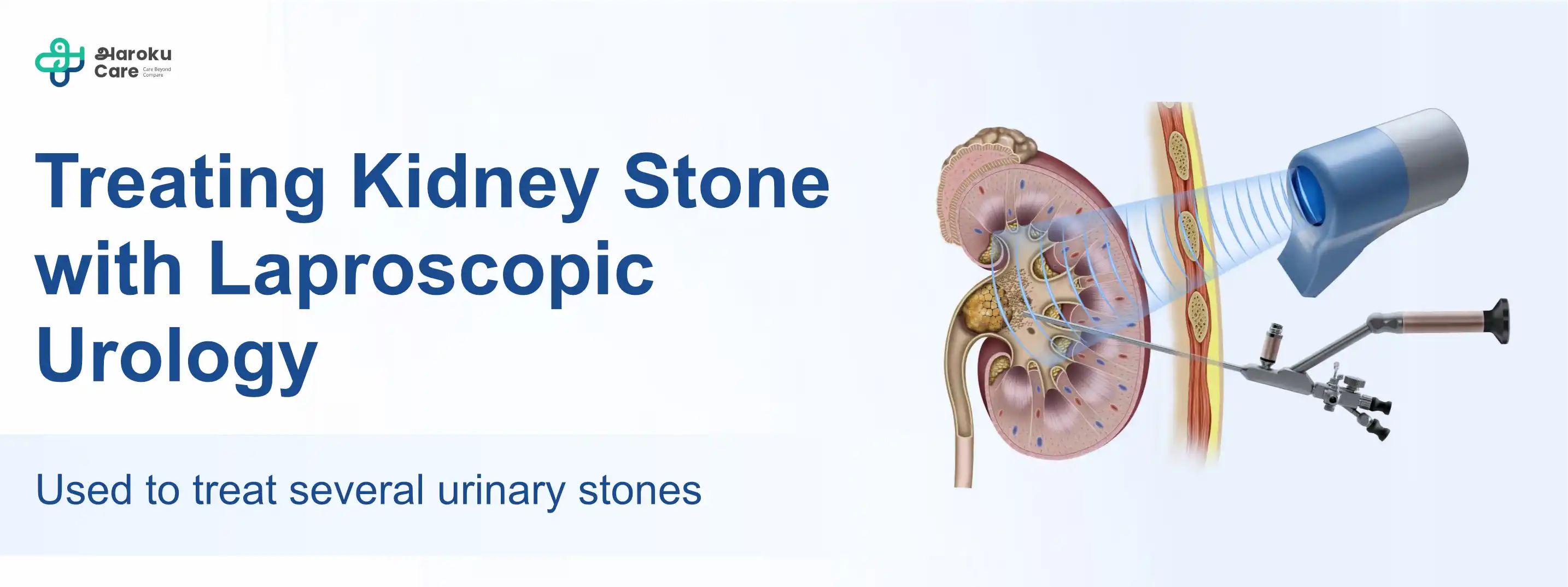
A non-surgical procedure that uses high-energy shock waves to break stones into small pieces, which pass naturally through urine. Best suited for small to medium stones with quick recovery.
URSL (Ureteroscopy with Laser)
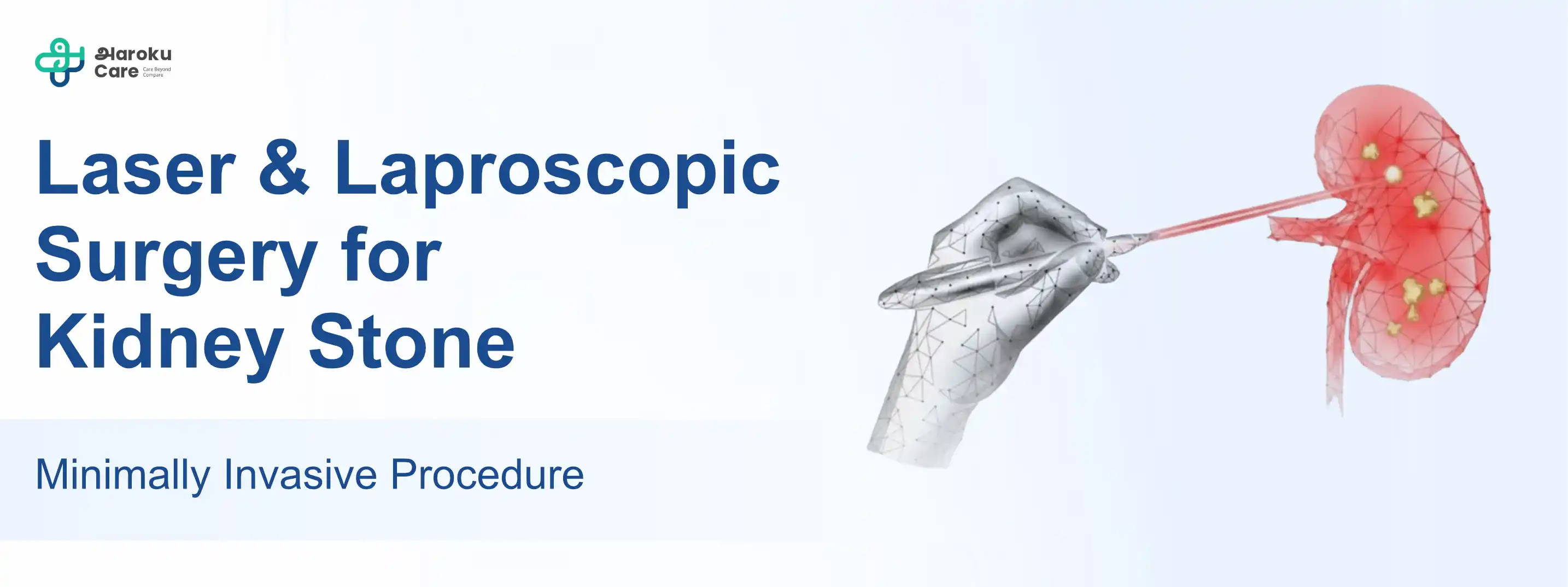
A thin scope is passed through the urinary tract to locate the stone. A laser is used to break it, and fragments are removed or passed naturally. No cuts are involved.
RIRS (Retrograde Intrarenal Surgery)
An advanced laser procedure where a flexible scope reaches the kidney to break and remove stones with high precision. Ideal for difficult-to-reach stones.
PCNL (Mini Keyhole Surgery)
Used for large or complex stones. A small incision is made in the back to directly remove or break the stone. It offers high success rates for bigger stones.
Not Sure Which Treatment is Right for You?
You don’t have to decide alone. Our experts are here to guide you and recommend the best treatment based on your condition.
A simple, safe procedure designed for quick recovery
Laser surgery for Kidney Stones is a safe, minimally invasive procedure used to remove or break stones with high precision. It is performed using advanced endoscopic techniques without any external cuts.
Anesthesia is given for a pain-free procedure
A thin scope is passed through the urinary tract
Stone is located using imaging guidance
Laser breaks the stone into small fragments
Fragments are removed or passed through urine
A temporary stent may be placed if required
This advanced treatment offers effective results with minimal discomfort and faster healing compared to traditional surgery.
No cuts or stitches involved
Less pain and minimal bleeding
High success rate
Short hospital stay or day-care procedure
Faster recovery time
Lower risk of complications
Recovery is usually quick, and most patients return to normal routine within a few days with proper care.
Discharge within 24 hours in most cases
Mild discomfort during urination for a short time
Increased water intake helps recovery
Resume daily activities within a few days
Stent removal (if placed) in 1–2 weeks
Follow-up ensures complete healing
Choosing the right care ensures safe treatment, accurate diagnosis, and long-term prevention.
Experienced urologists and advanced technology
Personalized treatment approach
Minimally invasive procedures
Focus on patient safety and comfort
Complete care from diagnosis to recovery


FAQ
Is laser surgery safe for kidney stones?

Yes, it is a safe and widely used method with high success rates.
Is the procedure painful?
How long does the procedure take?
Is EMI or insurance available?
Can kidney stones come back after treatment?
*Treatment results may vary for each patient. By submitting the form or contacting us, you consent to receive updates and communication from Aaroku Care.