Introduction
Gynecomastia doesn’t appear overnight. For most men, it starts slowly and subtly, often dismissed as chest fat, weight gain, or a temporary change.
Recognizing the early signs of gynecomastia can help you take action before the condition progresses and starts affecting confidence, clothing choices, and mental well-being.
This guide explains how gynecomastia begins, what early symptoms look like, and when medical evaluation becomes important.
What Is Early-Stage Gynecomastia?
Early-stage gynecomastia refers to the initial development of glandular breast tissue in men, usually triggered by hormonal imbalance.
At this stage:
Changes may be mild
Pain or tenderness may come and go
The condition is often mistaken for fat
Early detection can prevent unnecessary frustration and delay.
Early Signs of Gynecomastia in Men
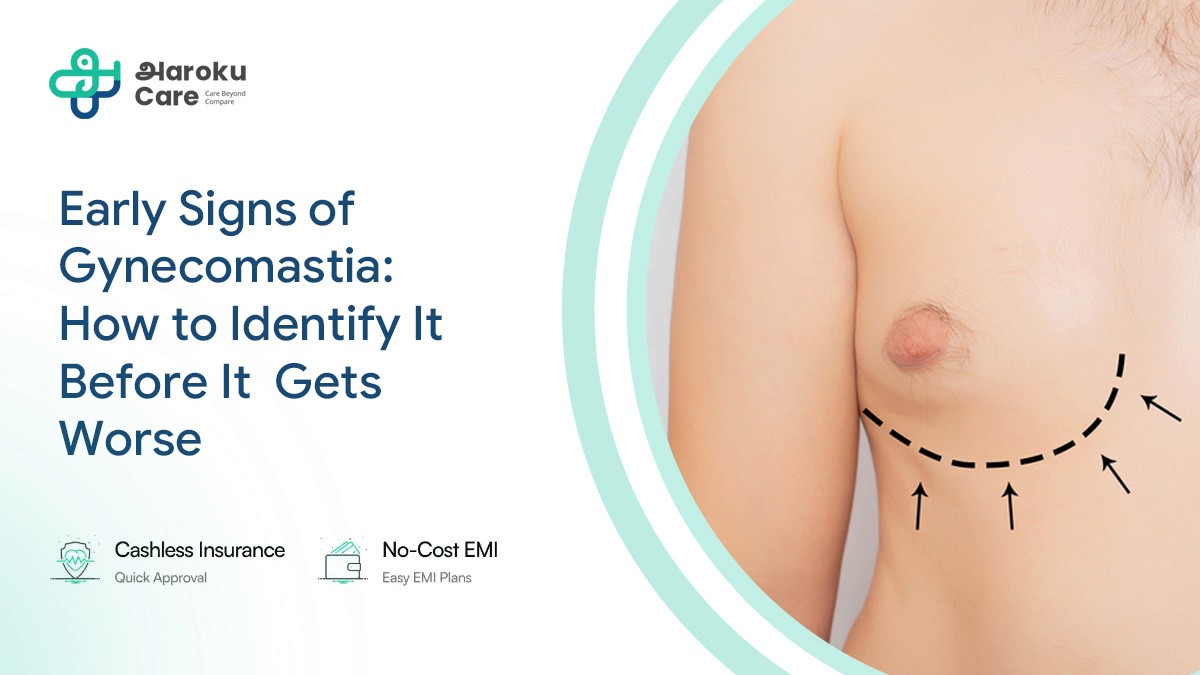
Puffy or Swollen Nipples
One of the earliest and most common signs.
Nipples appear raised or protruded
Puffiness may be more visible in cold or tight clothing
Often mistaken for chest fat
Persistent nipple puffiness should not be ignored.
Firm Lump Under the Nipple
A key warning sign of true gynecomastia.
Disc-shaped or rubbery lump
Felt directly beneath the areola
May affect one or both sides
This lump does not go away with exercise.
Chest Tenderness or Mild Pain
Early gynecomastia can cause:
Sensitivity when touched
Mild aching sensation
Occasional pain during workouts
Pain is more common during the active growth phase.
Uneven Chest Development
Gynecomastia often starts on one side.
One nipple appears larger or puffier
Asymmetry becomes noticeable
Can later progress to both sides
Uneven growth is a strong reason for evaluation.
Chest Changes Despite Weight Loss
A red flag many men overlook.
Chest fat reduces
Nipple puffiness remains
Firm tissue persists
This usually indicates glandular tissue, not fat.
How Gynecomastia Starts: The Medical Reason
Gynecomastia begins when the balance between testosterone and estrogen shifts.
Common triggers include:
Puberty-related hormone changes
Stress and sleep disruption
Certain medications
Alcohol or steroid use
Aging-related testosterone decline
Even fit, athletic men can develop gynecomastia.
Early Gynecomastia vs Chest Fat
Feature | Early Gynecomastia | Chest Fat |
|---|---|---|
Tissue feel | Firm or rubbery | Soft |
Nipple puffiness | Common | Mild |
Exercise effect | No improvement | Improves |
Pain/tenderness | Sometimes present | Rare |
Understanding this difference avoids wasted effort.
Can Early Gynecomastia Go Away on Its Own?
In teenagers: Often resolves naturally within 6–24 months
In adults: Rarely goes away without treatment
If symptoms persist beyond a few months, medical evaluation is recommended.
What Happens If Early Gynecomastia Is Ignored?
Without treatment, gynecomastia may:
Progress to higher grades
Develop excess skin
Become harder to correct
Increase emotional distress
Early assessment offers more treatment flexibility.
When Should You See a Doctor?
You should consult a specialist if:
Puffiness lasts more than 3–6 months
A firm lump is present
Pain or tenderness continues
One side grows unevenly
Confidence or mental health is affected
There’s no harm in early evaluation—only clarity.
To understand the full condition, grades, and treatment options, read our detailed guide on
Gynecomastia in Men .
FAQs – Early Signs of Gynecomastia
What is the first sign of gynecomastia?
Puffy nipples or a firm lump under the nipple are usually the earliest signs.
Is early gynecomastia painful?
It can cause mild tenderness or sensitivity, especially during active tissue growth.
Can gym workouts stop early gynecomastia?
Exercise helps fat loss but cannot stop glandular tissue growth.
Should I worry if only one side is affected?
Asymmetrical onset is common and should be evaluated.
Conclusion
Early gynecomastia often starts quietly—but ignoring it can lead to progression and unnecessary stress. Recognizing the signs early gives you control, clarity, and better treatment options.
If chest changes are confusing or persistent, a medical evaluation can provide answers and peace of mind.



Your wellness journey begins in one click
